Come a little closer. There are some strange things to tell you.
Perhaps you fancy something unsettling tonight. Or something sad, or strange enough to make you laugh. Start with whatever catches your eye; there are a few things in the books you might like.
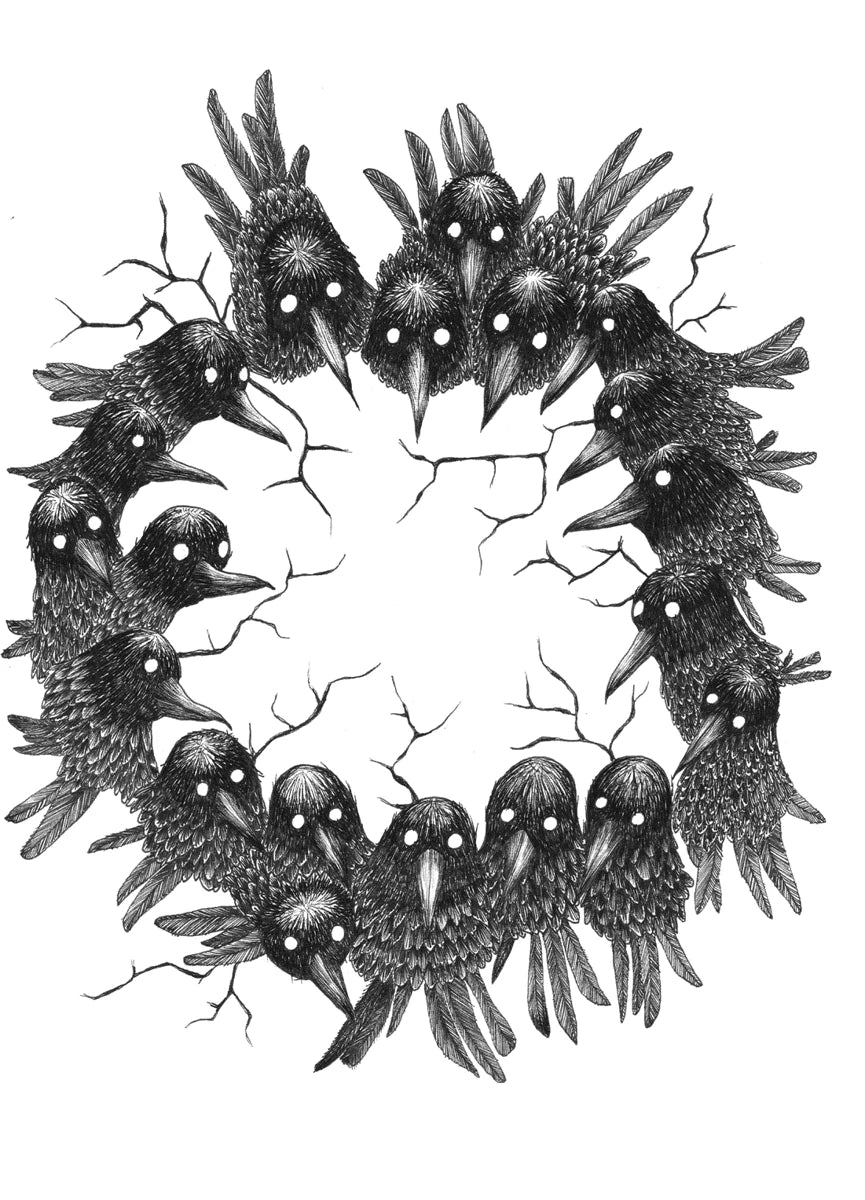
You probably know how this one begins. One for sorrow, two for joy. A few birds, a few words, and suddenly an ordinary encounter has the feeling of a warning.
If those old counting rhymes have stayed with you, begin with “One for sorrow”. For something sadder, try the two little birds in the Tome. There are birds in the autumn pages of Bitter Ends, too, if you care to follow them.
Sometimes a familiar saying is the thing a story wants to argue with. “Sticks and stones” asks you to reconsider the supposedly harmless word. In Bitter Ends, a carefully polite letter approaches a very different kind of obligation.
Read these together for the contrast in tone: the warning in a verse, then the dark comedy of someone trying to obtain a satisfactory answer. There is room here for both unease and a very uncomfortable laugh.
A mirror should be reassuringly ordinary: look, and something looks back. These recommendations begin with the discomfort of that expectation becoming uncertain.
Start with “Break a mirror, shatter glass”. Then, if you would like to stay a little longer with that uneasy feeling, turn to the two little birds. It is a quieter sort of sadness, but it may keep you company.
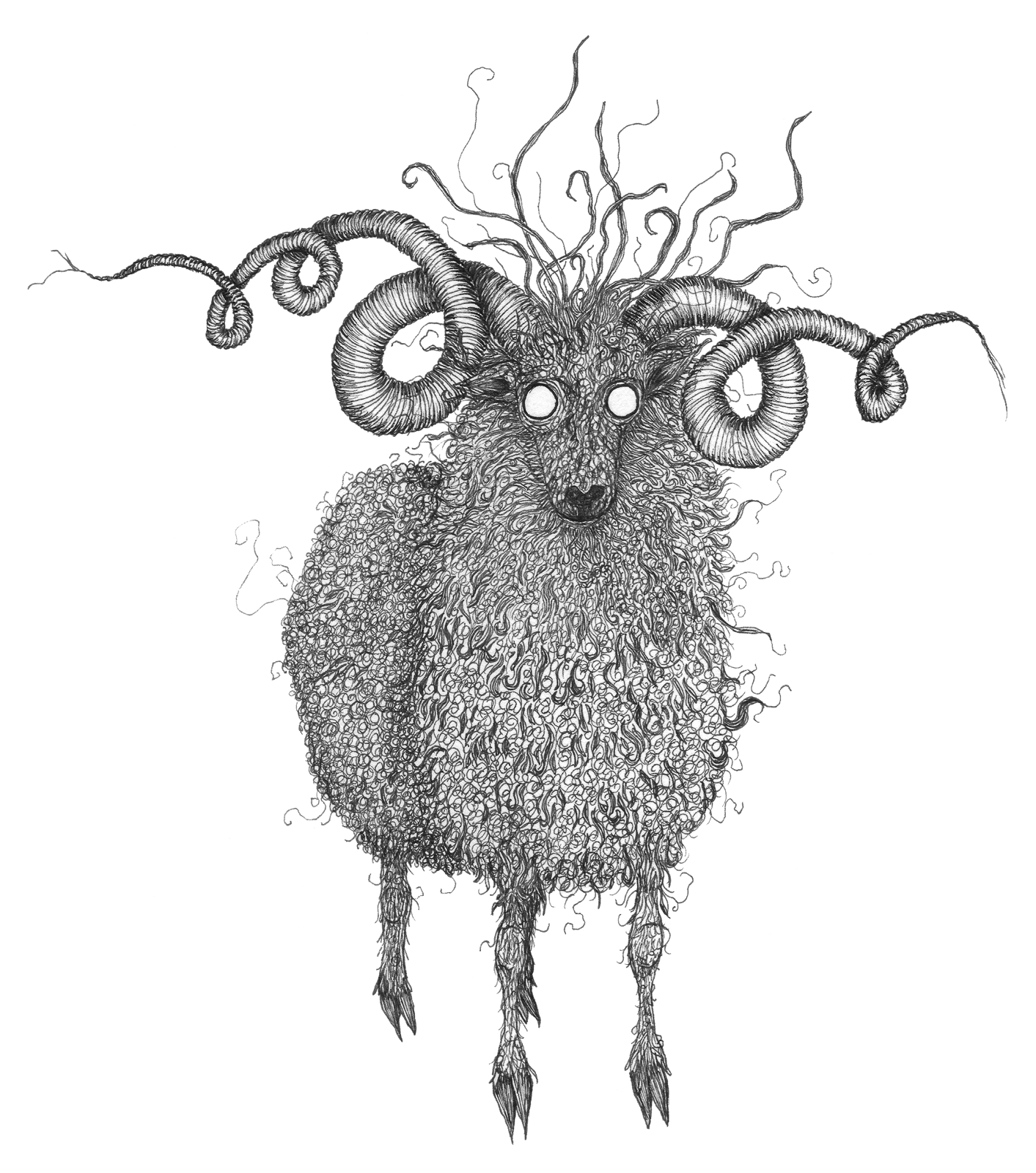
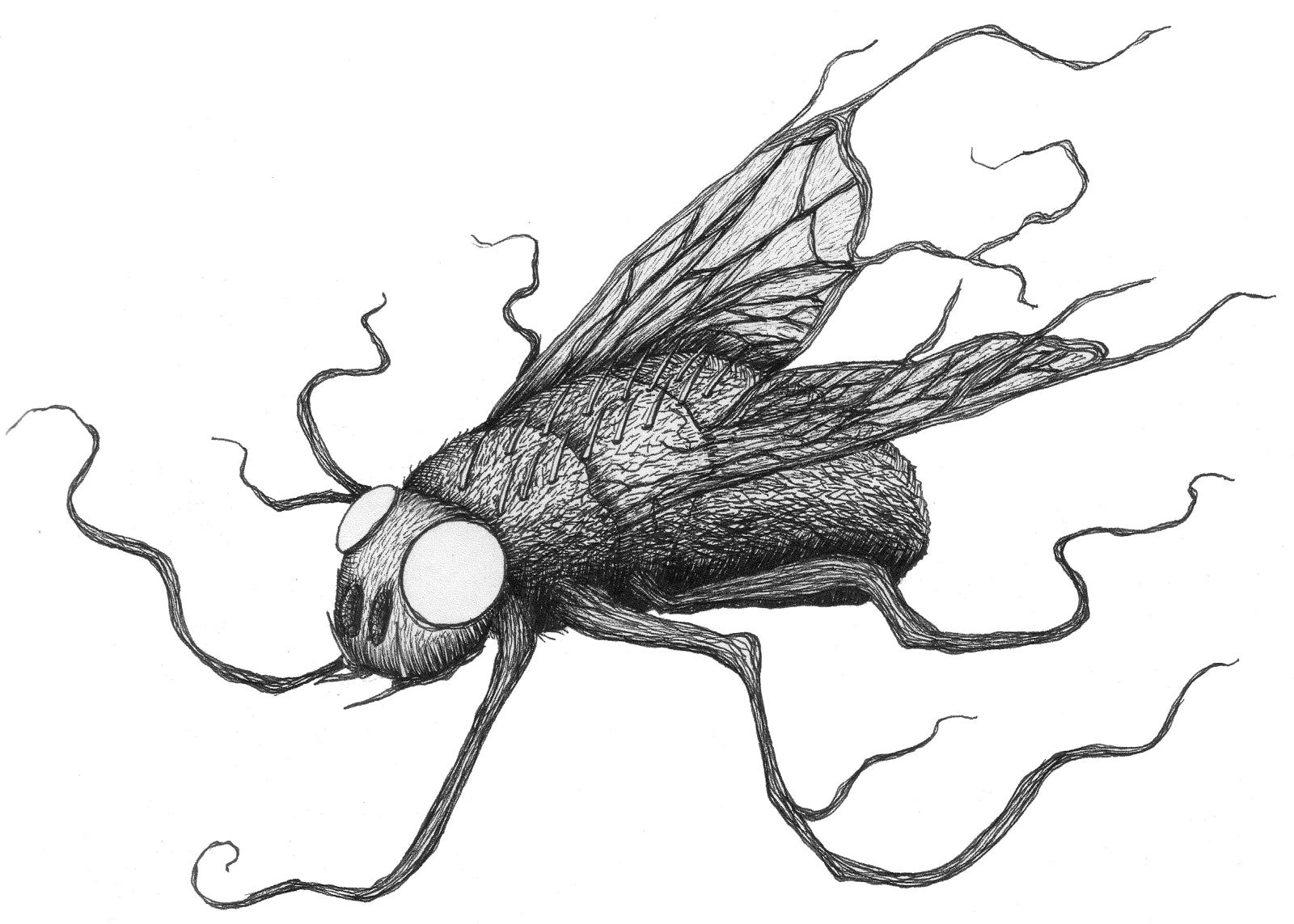
The sheep and the fly arrive with words you may already know. Their familiarity is part of the invitation: you can hear the rhythm before the new telling begins to pull at it.
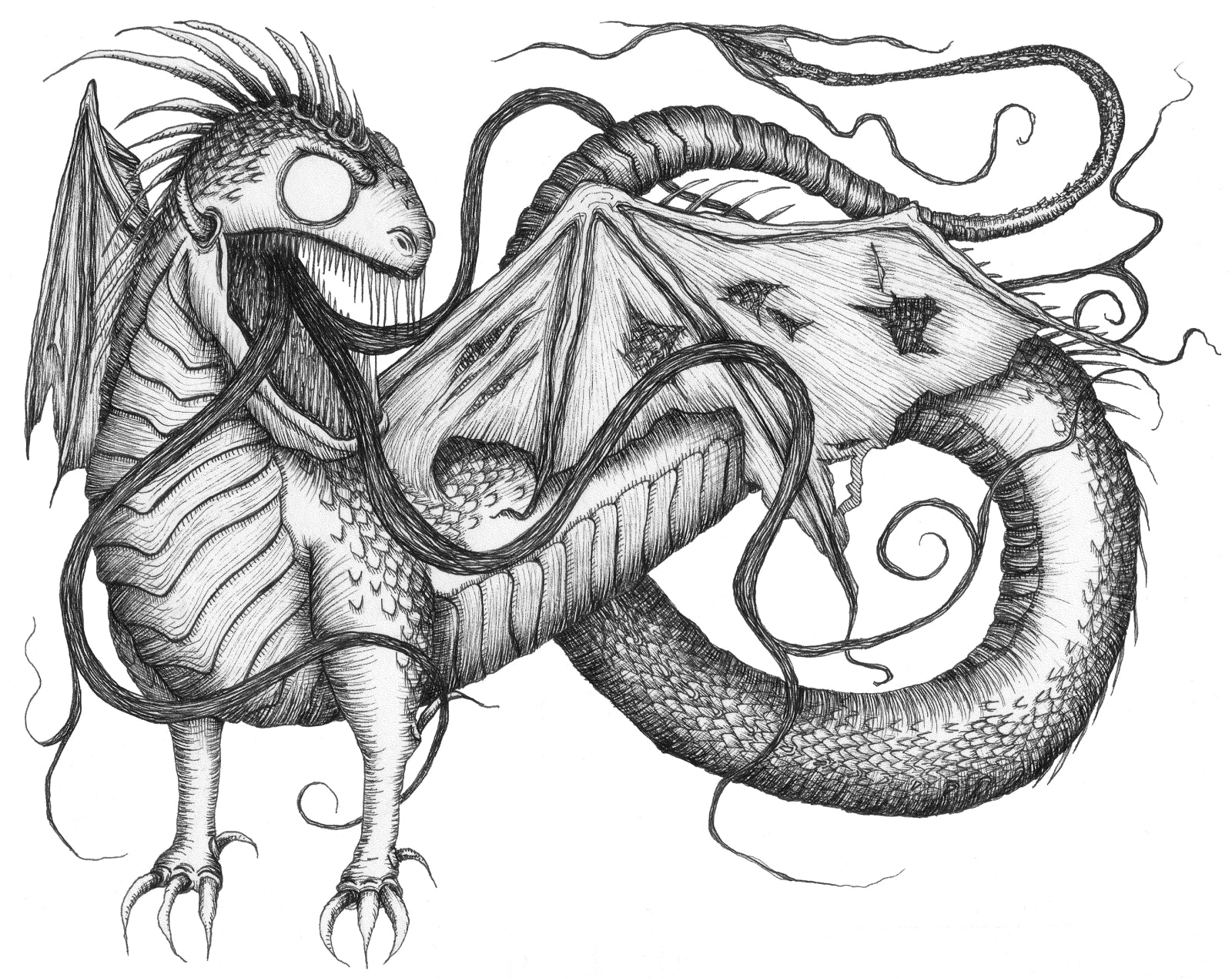
For a darker turn, follow the dragon illustration into Bitter Ends. Bethany’s creatures give these pages a personality of their own; a mischievous drawing need not mean a reassuring story.
Not every strange place is simply a place to fear. A forest can feel watchful and comforting at once; an impossible journey can offer wonder as well as uncertainty.
The Watcher is a quieter place to begin. If you would rather go on a journey, there is the Midnight Train. Or, for a less comfortable evening, you could turn to the dragon in Bitter Ends.
Some evenings call for a sad story. Nothing too hurried: a little autumn light, a traveller, the thought of things passing.
These three pieces in Bitter Ends are somewhere to begin. Try the autumn poem first, or turn straight to “All things must pass”. And when you are ready for an ending, there is a fairytale waiting further on.
These are suggestions for your next read. You may find a different feeling in them, and that is part of the pleasure. Page numbers refer to the ebook editions; printed editions may differ.